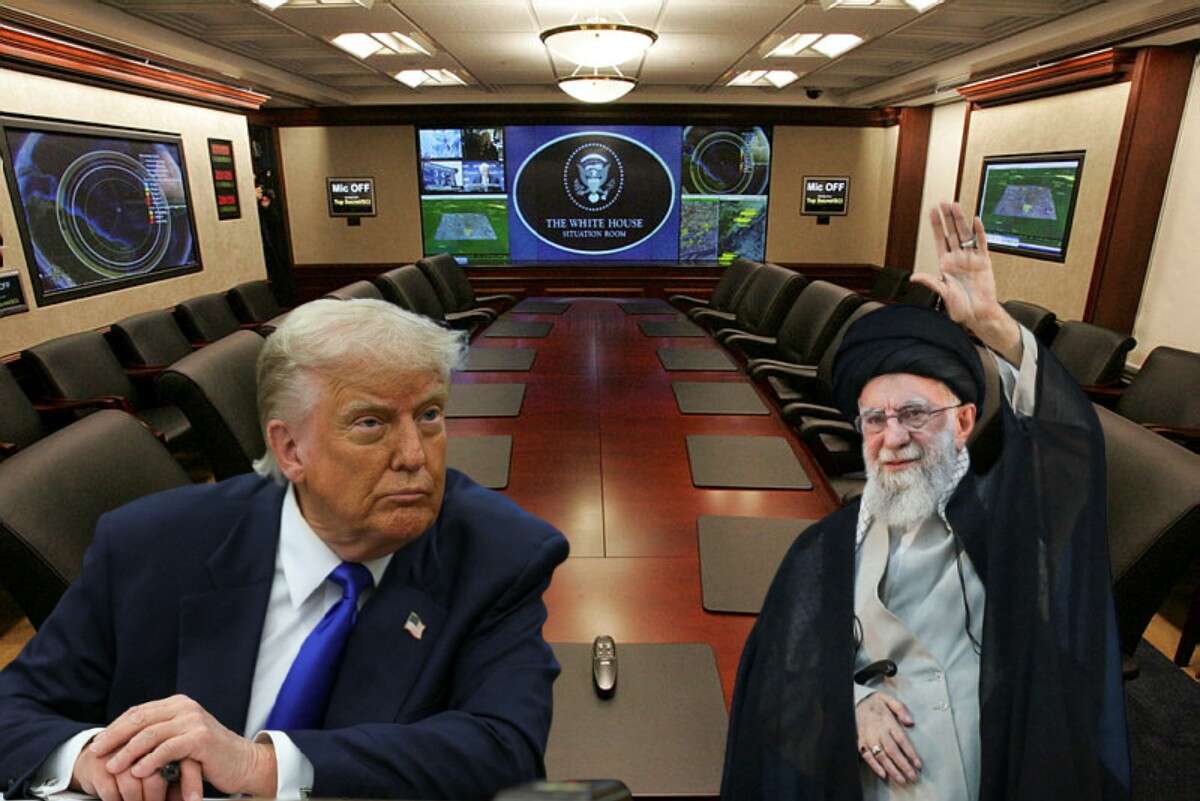
Iran Rejects US Deal: The Path to Escalation in the Middle East
The delicate balance of power in the Middle East has once again been profoundly shaken, as Iran’s categorical rejection of a critical US-brokered deal paved the way for immediate and severe military escalation. This pivotal moment, a culmination of intense diplomatic maneuvering and covert military planning involving сша израиль иран, underscores the region’s enduring volatility and the constant threat of open conflict. What began as a strategic delay in a planned strike quickly devolved into a full-blown exchange of military blows, highlighting the deep mistrust and unyielding positions that define these crucial international relationships.
The Brink of Conflict: A Delayed Strike
The region teetered on the precipice of a major conflagration when intelligence sources revealed that the United States and Israel had initially set February 21st as the target date for a coordinated military strike against Iran. This revelation painted a stark picture of the advanced stages of preparation for kinetic action. However, for a variety of critical reasons, the anticipated strike was delayed, buying precious time that was subsequently used for a final, albeit ultimately futile, round of diplomatic engagement.
According to high-level officials, the decision to postpone the strike, initially planned just days after an unproductive second round of US-Iran talks on February 17th, was multifaceted. Operational and intelligence considerations played a significant role, demanding more time for refinement and coordination. One primary, publicly cited reason was surprisingly elemental: adverse weather conditions in the region. An Israeli official specifically noted that poor weather was a particular concern for Israeli planners, potentially affecting precision targeting and flight safety. Another key factor cited by a second Israeli official was the critical need for enhanced coordination with the Israel Defense Forces (IDF), a logistical and strategic hurdle that required further attention from US strategists. This period was characterized by immense pressure and "constant fluctuations," as described by an official from the Trump administration, reflecting the high stakes and the intricate dance between military readiness and diplomatic opportunity. For more detailed insights into the specific reasons behind this postponement, you can read about US-Israel's Secret Iran Strike: What Delayed the Attack?.
Diplomatic Gambit: Genuine Talks or a Diversion?
The unexpected delay in military action created a window for a new round of negotiations, scheduled for February 26th in Geneva. This meeting became a focal point for intense speculation, with diverging opinions on its true purpose. Was it a sincere attempt to find a peaceful resolution, or merely a strategic ploy to buy time and manage perceptions?
- The "Time-Buying" Theory: One Israeli official posited that the Geneva talks were primarily designed to gain time, allowing Iran to maintain its belief that diplomacy remained President Donald Trump's primary course of action, even as a new strike date was being prepared. This perspective suggests a calculated psychological operation, aimed at keeping Iran guessing while military options were being refined.
- The "Genuine Effort" Argument: Conversely, another Israeli official maintained that the new strike date was set for purely tactical and operational reasons, and that the Geneva talks were indeed genuine. According to this view, had President Trump observed significant progress during the discussions, he might have been willing to delay the military option once more. This highlights the fluidity of strategic decision-making and the potential for a last-minute diplomatic breakthrough.
- US Denial of a Ruse: American officials, however, firmly refuted any suggestion that the Geneva negotiations were a mere ruse. Two US officials categorically stated that the talks represented an earnest attempt at finding a diplomatic solution, underscoring the complexities of international diplomacy where intentions can be easily misconstrued or deliberately obscured.
These conflicting accounts reveal the deep layers of mistrust and strategic ambiguity inherent in relations between сша израиль иран. From a strategic perspective, maintaining ambiguity can serve various purposes: to keep adversaries off balance, to consolidate international support, or to genuinely explore all avenues before resorting to force. However, it also carries the risk of deepening suspicion and making a negotiated settlement even more challenging.
The US Ultimatum and Iran's Rejection
As the morning session of the Geneva talks concluded, President Trump’s special envoys, Steve Witkoff and Jared Kushner, returned with what was presented as America’s final offer. This deal was a significant proposal, aiming to curb Iran's nuclear ambitions while offering certain concessions to Tehran:
- 10-Year Moratorium on Uranium Enrichment: The cornerstone of the deal was a demand for a decade-long moratorium on Iranian uranium enrichment. This would have significantly rolled back Iran's nuclear program and extended its breakout time for developing nuclear weapons.
- "Symbolic Enrichment Capacity": Following the moratorium, the US proposed the establishment of "symbolic enrichment capacities" for Iran, suggesting a pathway for Iran to eventually pursue peaceful nuclear energy under strict international oversight, albeit on a much smaller scale than Tehran desired.
- Free Nuclear Fuel for Civilian Needs: To address Iran's civilian energy requirements, the US offered to supply Iran with free nuclear fuel. This was a significant incentive, designed to remove any pretext for Iran to enrich its own uranium beyond what was permitted, while still meeting its energy needs.
The US negotiating team reportedly made it "very clear" that military force would be used if Iran did not accept the deal. This explicit threat underscored the gravity of the offer and the high stakes involved. In a pivotal moment that would dramatically alter the trajectory of the crisis, the Iranians ultimately rejected the proposal. Kushner and Witkoff relayed this refusal to President Trump, who, according to sources, then initiated the process of military action. US officials later commented that Tehran could have prevented the ensuing conflict had it engaged in "good faith" negotiations, implying that Iran's rejection was not merely a tactical move but a deliberate choice to confront rather than concede.
Iran's rejection can be analyzed from several angles. It could stem from a profound distrust of US intentions, a belief that the deal infringed too much on its national sovereignty and technological aspirations, or a strategic calculation that its leverage was sufficient to withstand US pressure. The offer, while providing civilian nuclear fuel, still significantly constrained Iran's nuclear program, a program Tehran has consistently maintained is solely for peaceful purposes. This divergence in interpretation and ambition formed an insurmountable barrier to agreement.
Immediate Escalation: Reciprocal Strikes Erupt
The diplomatic failure swiftly gave way to a dramatic escalation of military hostilities, confirming the US threat and plunging the region into an even more precarious state. The exchange of strikes saw both сша израиль иран engage in direct military action, with significant implications for regional stability.
In response to initial attacks attributed to the US and Israel, Iran, through its Islamic Revolutionary Guard Corps (IRGC), launched a series of retaliatory strikes. According to IRGC statements, these attacks targeted a wide array of US military installations and Israeli strategic sites:
- US Targets: Iran claimed to have struck 27 US bases across the Persian Gulf and in Iraqi Kurdistan, demonstrating a broad reach and a clear intent to inflict damage on American assets in the region.
- Israeli Targets: Israeli military and civilian infrastructure were also hit, including the Tel Nof Israeli airbase, the headquarters of the Israeli army, and a major defense-industrial complex located in Tel Aviv. Most alarmingly, Iranian media outlet IRNA reported a direct strike on the office of Israeli Prime Minister Benjamin Netanyahu, signaling a willingness to target the highest levels of Israeli leadership.
Israel, for its part, wasted no time in declaring its intent to continue strikes on Iranian territory, signaling a protracted and dangerous cycle of retaliation. The immediate international reaction reflected widespread alarm:
- France: The French Foreign Ministry swiftly denied reports of its "Charles de Gaulle" aircraft carrier strike group being dispatched to the eastern Mediterranean, while also expressing readiness to assist friendly states in the Middle East affected by Iran's strikes.
- Russia: The Kremlin, through Dmitry Peskov, voiced profound disappointment at the "degradation of the situation" between the US and Iran to direct aggression, urging de-escalation.
- IAEA: The head of the International Atomic Energy Agency (IAEA), Rafael Grossi, announced attempts to contact Iranian nuclear regulatory bodies, but reported no response, raising concerns about the safety and oversight of Iran's nuclear facilities amidst the conflict.
This rapid descent into direct military confrontation highlights the razor-thin margin separating diplomacy from war in the Middle East. The dangers of miscalculation are immense, and the potential for a regional conflict to draw in other global powers remains a grave concern. For ongoing developments and real-time updates on the unfolding events, follow our live coverage: Middle East Conflict: US, Israel, Iran Exchange New Blows.
Conclusion: A Precarious Future
Iran's rejection of the US-brokered deal marked a critical turning point, extinguishing the last flicker of diplomatic hope and triggering an immediate, violent escalation between сша израиль иран. The sequence of events – from a planned and delayed military strike, through contentious negotiations, to a rejected ultimatum and reciprocal attacks – paints a stark picture of a region constantly on the brink. The conflicting narratives surrounding the Geneva talks underscore the deep-seated mistrust, making genuine dialogue incredibly difficult. As the dust settles from these initial exchanges, the path ahead remains shrouded in uncertainty, defined by heightened military tensions and the looming threat of an even wider conflict, with global implications for stability and security. The international community now watches with bated breath, hoping for a de-escalation that seems increasingly elusive amidst such entrenched hostilities.